How to cure baby rashes and cradle cap
- Priyadarshini

- Aug 2, 2021
- 3 min read
Updated: Aug 3, 2021
Baby rashes can be of various types and can affect various parts of baby's body. Mostly they are treatable and not a thing to worry. Baby’s skin are sensitive and susceptible to infection or irritation. Some causes of baby rashes are exposure to excessive heat, too much oiliness, allergies, friction, dampness, chemicals, fragrances and fabrics.
Some of the commonest skin rashes are as follows:
1. Diaper rash: Diaper rash is caused by wetness or the acidity of a baby’s urine and feces. To get rid of rash around the diaper area you may follow the below steps:
Use diaper rash cream such as Rashfree. Use it twice or as required until the rash disappears.
Frequently change diapers and use soft cotton diapers mostly that are friendly on baby’s skin.
Use baby formulated detergent to wash the diapers.
2. Baby acne or body rash: This can be of various types. Heat rash, usually found in areas covered by clothes, such as armpits, neck, chest, arms, torso, and legs and is caused by overheating. Drool rash, which happens when drool irritates the skin around the mouth or on the chest. To treat any kind of rashes on baby’s face and body follow the below tips:
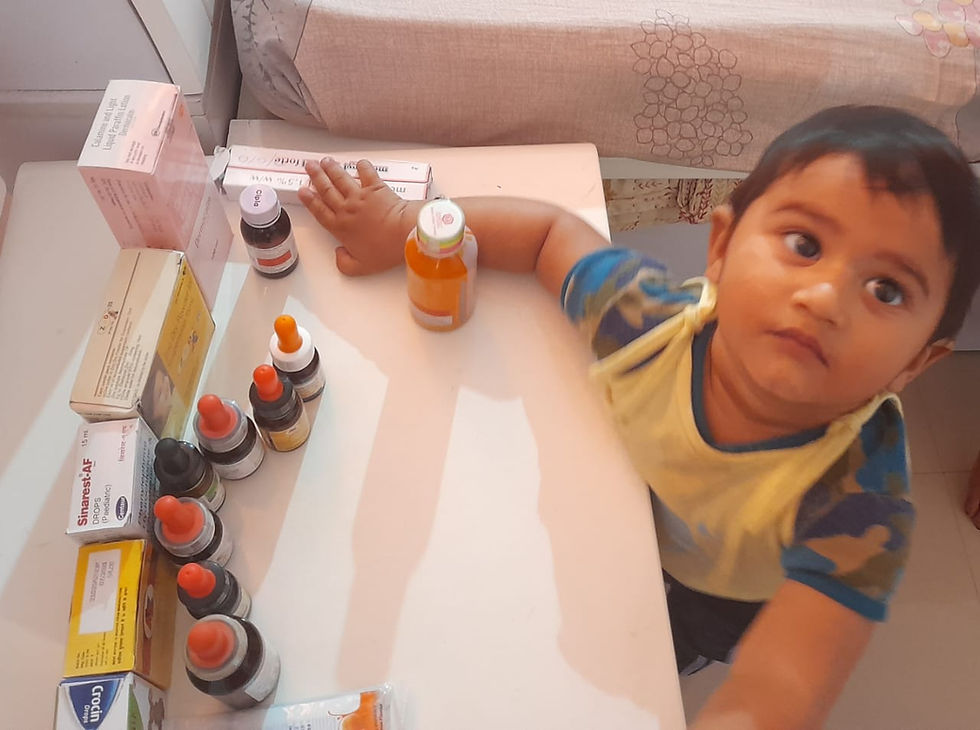
The best ointment to cure it is to apply any calamine lotion. You can use Dermocalm lotion twice or thrice a day until the symptoms diminishes. My baby developed rashes all over his body mainly on his face and I have used the same lotion for him and in a week time all the rashes have disappeared.
Always keep baby’s skin clean and dry. Take extra care to clean parts like armpits, neck, throat, ear, fingers of hand and feet. Use hypoallergic and sensitive face cream and lotion specially formulated for baby’s skin. Apply baby cream twice daily on baby’s face. In the morning if you are opting for oil massaging, in the evening try to put body lotion all over baby's body.
Dress your baby in breathable fabrics, such as cotton. Choose dress as per the weather to avoid overheating.
Be vigilant and keep track of any skin reactions to foods so that you can avoid trigger foods.
Vaccinate your child as directed by the pediatrician. You may go for painless vaccines. They have less side effects.
3. Cradle cap: Babies can develop seborrheic dermatitis when they are between 2 weeks and 12 months old. It usually starts with cradle cap. A baby with cradle cap will have slightly red scaly or crusty yellow patches on the scalp. It may also start on the face or diaper area and spread to other parts of the body. It may look like red and moist in skin creases and folds (like the neck and behind the ears), yellowish with greasy patches or crusts, scaly or flak. My baby developed cradle cap when he was of 3 months and let me tell you what you can do to get rid of it. The tricks are as below:
Too much skin oil or yeast probably causes cradle cap so from the very first day make sure not to put too much oil on your baby’s head or body. Also keep his/her head and body clean by washing off the extra oil. Use shampoo and body wash at least twice a week (if pediatrician gives a go ahead to use soap or shampoo).
In case of cradle cap, wash your baby’s hair gently with Spoo shampoo twice a week. You can order this shampoo from Amazon. It works miraculously to get rid of cradle cap. From the very first use you will understand the difference and in less than a month’s time you will forget that your baby had cradle cap. After shampooing, gently remove scales with a soft brush or comb. Do not scratch the skin.
Consult your pediatrician in case the symptoms persists for more than a week. You may also opt for his/her opinion from the day you noticed cradle cap.
There can be other kind of rashes like eczema, infectious rashes, such as measles, chickenpox. It is better to consult your pediatrician if there is no sign of improvement in 3-4 days or may be in a week’s time.


Comments